
Survival Gear to Keep at Home (That Actually Helps)
What would you do if the lights went out — and stayed out?
In Vancouver, I lose power a lot. Fall and spring windstorms knock down trees and power lines all the time, sometimes leaving whole neighbourhoods in the dark for hours — or even days.
After one storm left me without heat or phone service for nearly 16 hours, I realized my scattered flashlights and half-charged battery packs weren’t going to cut it.
Since then, I’ve created a realistic, beginner-friendly gear setup that’s actually helped me during real emergencies — no wilderness survival skills required.
As a certified permaculture designer and urban prepper, I’ve tested what works in small homes and apartments, especially when you can’t just “bug out” or rely on the grid.
This guide on Survival Gear to Keep at Home is for everyday people in cities or small spaces who want reliable, no-drama survival gear to keep at home — stuff that actually works when the wind’s howling and the power’s out.
I’ll walk you through what to get, why it matters, and how to feel more prepared without going full prepper mode.
1. Why Home Survival Gear Matters (Even in the City)
Living in Vancouver, I’ve experienced my fair share of power outages — especially during fall windstorms and heavy spring rains. The first few times, I didn’t think much of it. But when the lights stayed out longer than expected and cell towers got overloaded, I realized how fragile “normal” can be.
That’s when I started putting together a home survival gear setup that actually made sense for my space and lifestyle — not a bunker, not a stockpile, but a practical stash of things that make life easier when the unexpected happens.
This isn’t about doomscrolling or stockpiling for the end of the world.
It’s about being able to keep warm, stay fed, and care for yourself and others when systems break down — whether it’s a power grid failure, a boil water advisory, or a city-wide disruption like we’ve had during wildfire seasons.
If you’ve ever asked yourself, “Would I be okay if the power went out for 72 hours?”
This post will help you answer that with confidence. And if you haven’t asked yet, now’s the perfect time to start.
2. Warmth Essentials
When the power’s out and it’s pouring rain outside (hello, Vancouver fall), staying warm and having reliable light makes a huge difference. I’ve learned the hard way that candles alone don’t cut it — and cold, damp apartments get miserable fast.
Here’s what I now keep on hand:
Emergency Blankets & Bivy Bags
- Reflect body heat and pack down small
- Ideal for layering during cold snaps or unexpected nights without heat
Fleece Throw Blanket
- Breathable, retains warmth even when damp
- I keep one in each room so I’m never searching in the dark
Safe Indoor Heat Source
- Catalytic propane or other emergency heaters (only if certified for indoor use)
- Always follow safety protocols and ventilation guidelines
3. Emergency Lighting Options
Power outages aren’t just inconvenient — they can be dangerous, especially if they hit at night. Whether you’re navigating your home safely or signalling for help, reliable light sources are a non-negotiable part of your survival setup.
What to keep on hand:
- LED lanterns – Safer than candles and long-lasting. Look for rechargeable or battery-powered ones with adjustable brightness settings.
- Headlamps – Great for hands-free tasks like cooking or tending to injuries. Keep one by your bed and another near your go-bag.
- Solar garden lights – Charge them outside during the day and bring them indoors at night for ambient, low-effort lighting.
- Crank-powered flashlights – A solid backup that doesn’t rely on batteries. Bonus if it includes a built-in radio or USB charging port.
- Battery storage – Organize your AA, AAA, and specialty batteries in a dry container and rotate them seasonally.
Extra Batteries & Power Bank
- Stock up on AA and AAA batteries in waterproof containers
- A 10,000+ mAh power bank keeps your phone and lights charged for days
Tip: I test all lights and backup batteries every spring and fall — the same time I check my emergency pantry and garden supplies.
Even if you don’t use all of these regularly, having multiple options means you’re covered for short-term blackouts or multi-day emergencies — especially during stormy seasons when outages happen more than once a month.
4. Safe Drinking Water and Emergency Hygiene
One of the fastest ways a short-term emergency becomes a crisis is when clean water runs out — especially if pipes freeze, the city’s system fails, or you’re on a boil water advisory (which happens more often than you’d think, even in urban areas).
I keep a small water station in my hallway closet with:
- 2–3 gallons of drinking water per person – enough for at least 3 days
- Stackable water bricks or BPA-free jugs – easier to move than one big barrel
- Water purification tablets – for backup or treating questionable water
- A gravity-fed water filter – like a Berkey or a LifeStraw Family unit for longer disruptions
And let’s not forget hygiene. Even during short outages, staying clean matters for both comfort and health:
- Biodegradable wipes – for quick sponge baths when showers aren’t an option
- Dry shampoo or cornstarch – to stay feeling human during extended outages
- Hand sanitizer and soap sheets – compact and work even with limited water
- Compostable toilet bags or a backup bucket system – not fun, but practical
I’ve used this setup during storm-related water shutoffs and summer heatwaves when the city urged us to conserve — and it’s saved me from stress and discomfort more than once.
5. No-Power Food & Cooking Gear
You don’t need a basement full of canned goods or a freeze-dryer to eat well during a power outage — but you do need a plan for how you’ll prep food without electricity.
What I recommend keeping on hand (and what I actually use myself):
Shelf-Stable Foods You’ll Actually Eat
- Nut butters, crackers, and shelf-stable plant milks – comforting, calorie-dense, and require no heating
- Instant soups or meals that cook with just hot water
- Canned meals – stews, chilli, lentils, or pasta (ideally with pull-tab lids)
- Dry fruit, energy bars, and trail mix – for quick snacks or on-the-go nutrition
- Instant oatmeal packets – can be made with hot water or soaked overnight
I rotate these out every 6 months and replace anything we’ve used. No wasted food — just part of the pantry system.
Simple Cooking Tools
- Portable butane stove or camp stove – indoor-safe ones exist, just check certification
- Thermal cooker or insulated food jar – slow cooks without fuel after a quick boil
- Stainless steel kettle – works on a stove or outdoor heat source
- Manual can opener – don’t laugh, I forgot once and deeply regretted it
Bonus: Cook Once, Eat Twice
If you’re using a butane or camp stove, make the most of each fuel session by cooking larger portions. I prep a double batch of rice, pasta, or soup and store leftovers in an insulated food jar or thermos — it keeps things warm for hours without reheating.
This approach saves fuel, reduces stress, and makes it easier to stay nourished if the outage lasts longer than expected.
6. Quick Access Medical Supplies
When systems go down, so does access to care. Even a minor injury becomes a big deal if you can’t drive, call, or get help immediately. That’s why having a small, well-stocked first aid kit — one you actually know how to use — is key.
Here’s what I keep stocked at home:
- Basic first aid kit – Make sure yours has more than just Band-Aids. You want gauze, antiseptic, gloves, tweezers, and a CPR mask.
- Pain relief + fever meds – Tylenol, ibuprofen, and electrolyte tabs are always in my bin.
- Allergy meds + inhalers – Especially if anyone in your household relies on them.
- Burn cream + wound care ointments – These get used more than you’d expect.
- First aid manual or printed guide – When Google isn’t available, this becomes your lifeline.
🟫 My first aid kit lives in the same cupboard as my emergency lanterns — easy to grab, check, and restock before storm season hits.
7. Stay Informed Without the Internet
When the power’s out and cell service is down (which absolutely happens), you need a way to get updates. Whether it’s evacuation alerts, weather changes, or boil water notices, having a non-digital backup for information can make a huge difference in how you respond.
What I rely on:
- Battery-powered or crank radio – AM/FM and NOAA weather stations are ideal. Mine also charges my phone in a pinch.
- Local emergency contacts list – Printed, not just saved to your phone. Include utility numbers, local emergency info, and nearby friends or family.
- Paper maps – Especially important if you rely on GPS. Even a basic city map helps if roads are blocked or detours go into unfamiliar areas.
- Notebook + pen – For keeping track of symptoms, communication, or even just your to-do list if your phone’s dead.
🟫 I keep these in a pouch next to my lighting and power gear. If I need to move quickly or stay put without Wi-Fi, I know exactly where they are.
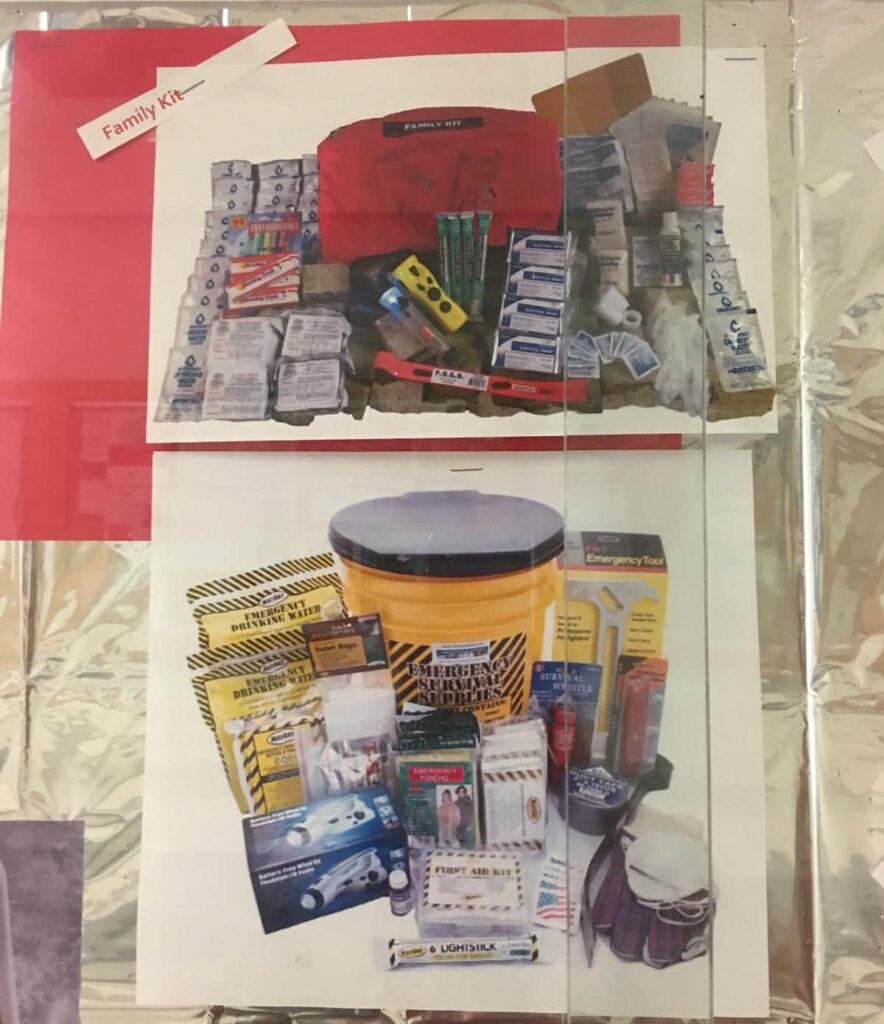
8. Extras That Make a Big Difference
These aren’t “essential” in the emergency prepper sense, but they’ve saved me time, stress, and sanity more than once:
- Zip-top bags + foil – For storing leftovers, sealing in smells, or keeping gear dry.
- Duct tape + scissors – Repairs, hacks, and sealing drafts in a pinch.
- Work gloves – Cleaning up debris or handling broken items safely.
- Cash in small bills – If card readers are down, $5s and $10s go a long way.
- Spare phone charger – I keep one in my blackout bin so I’m not scrambling.
- Comfort items – A favourite tea, small book, or game can keep morale up in long outages. Especially helpful for kids or anxious pets.
9. Don’t Forget Your Household Ecosystem
It’s easy to focus on gear checklists — but your real resilience comes from how your home systems work together.
Here’s what I mean by that:
- Food, water, and warmth aren’t separate. If you can boil water, you can make meals and heat a hot water bottle.
- Light and safety go hand-in-hand. A lantern in the hallway reduces trip hazards and keeps pets calm.
- Comfort and function aren’t a luxury. A calm home helps you make better decisions when you’re tired, hungry, or overwhelmed.
Think of your gear setup like a mini ecosystem: each part should support the others. That’s how you make the most of limited space and budget — and how you build real, steady preparedness that works with your life, not against it.
🟫 I do a seasonal check of these connections every spring and fall — same time I rotate pantry stock and garden gear. It helps keep the whole system running smoothly without last-minute scrambles.
FAQs
How much gear do I actually need?
You only need about 72 hours’ worth of home survival gear to get started. Having food, water, light, and warmth for three days is usually enough for most urban emergencies.
Can I prep without a car or extra storage?
Yes, you can prep without a car or garage — the key is choosing compact, multi-use gear. Even a small shelf or under-bed bin can hold everything you need.
Do I need to spend a lot of money to get started?
No, you don’t need to spend a lot of money to get started. Use what you already have first, then add to it gradually as you notice gaps.
Tips to Get Started (Without the Overwhelm)
If you’re just starting out, here’s how to make this feel doable — even if you’re tight on space or energy:
- Pick one category at a time — like lighting, warmth, or water. Set it up. Test it. Then move to the next.
- Use bins or baskets you already own. Label them by room or function. No need for a fancy setup.
- Set a recurring reminder on your calendar — I use the equinoxes to review and restock.
- Keep a paper checklist. Don’t rely on your phone when the power’s out.
- Test your gear before you need it. Especially stoves, water filters, and radios.
🟫 Even one weekend of focused setup will put you ahead of where you were — and that’s real progress.
→ Want more calm, practical prep ideas like this?
Browse all beginner-friendly survival and self-reliance tips — from home gear to checklists and seasonal routines. Every post is written for small homes, tight budgets, and real life.
