
10 Homesteading Skills to Learn Before You Have Land
Wish you could start learning homesteading skills now — even if you don’t have land yet?
You’re not alone. When I first started prepping in my small city apartment, I kept wondering what skills actually made sense to learn without a big backyard, pantry, or tool shed. Most of the advice out there felt out of reach — like it assumed you already lived off-grid.
As a certified permaculture designer and urban homesteader, I’ve spent years figuring out which skills truly matter when you’re just getting started. These aren’t theoretical. They’re practical, beginner-friendly, and perfect for renters, small spaces, or anyone planning for the long term.
This post walks you through homesteading skills to learn before you have land — the exact ones I started with and still use today. Whether you’re preparing for emergencies, working toward self-reliance, or simply craving a more intentional lifestyle, these skills are a solid foundation.
Let’s build your future homestead — one step at a time, starting right where you are.
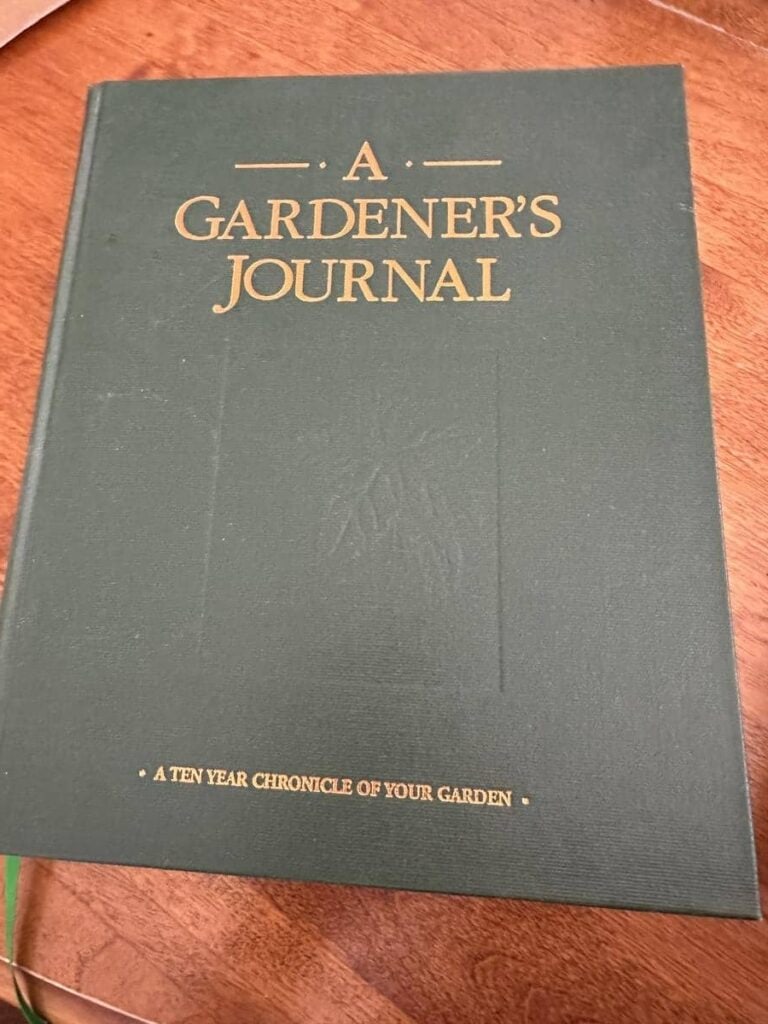
1. Keep Good Homesteading Records (This Will Save You Later)
If you only build one habit before you get land, make it this. Tracking what you grow, fix, or try saves time, money, and a lot of future guessing.
- Keep a garden notebook or start a simple spreadsheet
- Track repair dates, food prep methods, and harvest results
- Get in the habit of logging seasonal routines (weather, planting dates, pantry checks)
A printable or digital homestead planner will help you stay on top of your record-keeping
2. Try Small-Batch Canning
Canning might seem intimidating, but it’s surprisingly doable — even in a small kitchen. It’s one of the easiest ways to preserve food and feel more self-reliant.
- Start with water bath canning (think jams or fruit)
- Use seasonal produce or stock up when prices drop
- Label everything with dates and notes for next time
🫙 I use a set like this one and love how simple it makes canning—perfect for your first season of preserving!
3. Eat Local and In-Season
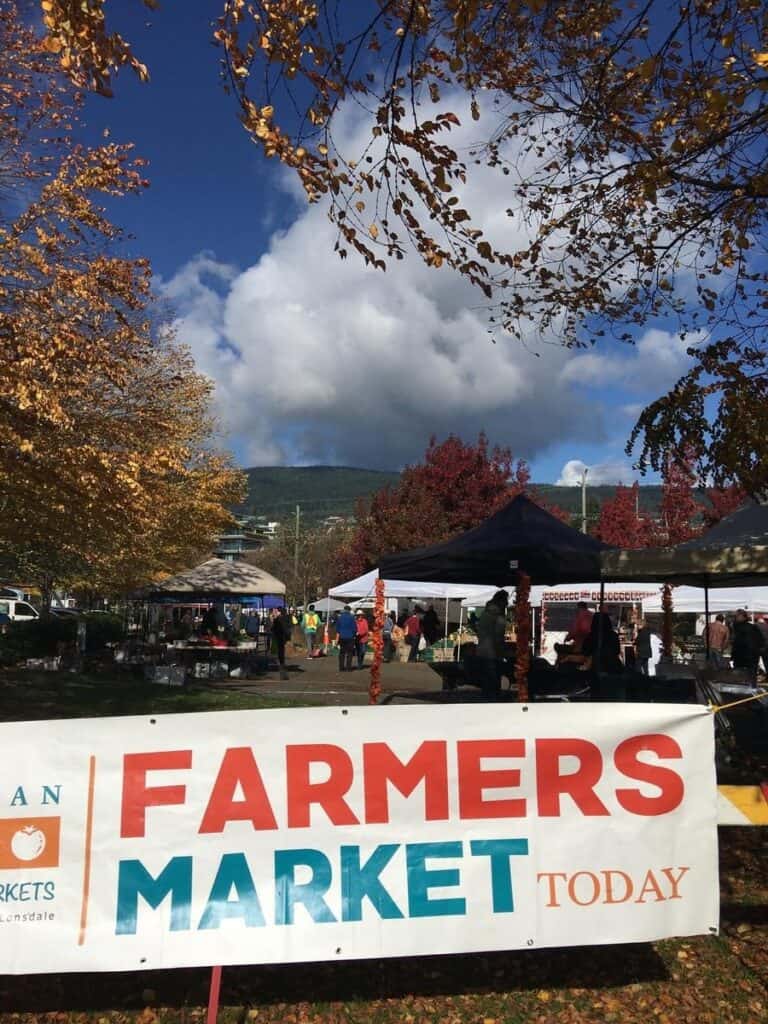
Learning what grows near you helps you shop smarter, cook better, and stay grounded in seasonal rhythms. It’s one of the simplest skills with the biggest ripple effect.
- Visit farmers’ markets or sign up for a CSA
- Create a seasonal meal list to rotate through
- Learn what’s native or commonly grown in your area
🍅 New to seasonal eating? This book makes it easy to cook fresh with what’s in season.
4. Compost on a Small Scale
Composting helps you reduce waste and understand the cycle of nutrients. Even a countertop bin can teach you what breaks down — and what doesn’t.
- Start with fruit/veg scraps, coffee grounds, and dry paper
- Avoid meat, dairy, and oils if you’re composting indoors
- Stir regularly and keep it breathable to avoid odours
🚮 Keep your kitchen smelling fresh while collecting scraps—this odor-blocking compost bin is easy to clean and use.

5. Identify Local Plants
Knowing your local plants — weeds, trees, wild herbs — builds your awareness and connection to your region. It’s a skill that deepens with time.
- Use a plant ID app (like Seek or iNaturalist)
- Walk the same trail every season and notice changes
- Look up edible or medicinal native plants in your area
6. Understand How Home Systems Work (Before Something Breaks)
Even if you rent, learning the basics of how your home functions can empower you. Knowing how to shut off water or reset a breaker can prevent bigger issues.
- Watch beginner YouTube videos on electrical and plumbing basics
- Locate your main shut-off valves and fuse box
- Ask questions during repairs — it’s a free lesson
📘 Learn the nuts and bolts of your home before you need to call a pro—this book breaks it all down with helpful diagrams.
You don’t need land to build real homesteading skills. Start with what you have, where you are.
7. Use Less Energy
Energy conservation isn’t just for off-grid living — it saves money and builds awareness. The more you track and tweak, the more in control you’ll feel.
- Air-dry laundry on a rack or clothesline
- Unplug appliances or use power strips with switches
- Use blackout curtains and natural ventilation when possible
8. Basic Sewing + Mending (Don’t Skip This Skill)
Mending might feel like a lost art, but it’s easy to learn and extremely satisfying. A simple patch or sewn seam can extend the life of your wardrobe for years.
- Start with hand-stitching holes and replacing buttons
- Use YouTube tutorials to learn basic sewing techniques
- Keep a kit with essentials in your kitchen drawer or closet
🪡 Keep essentials on hand for when buttons pop or seams rip—this mending kit has your back.

9. Grow Herbs Indoors
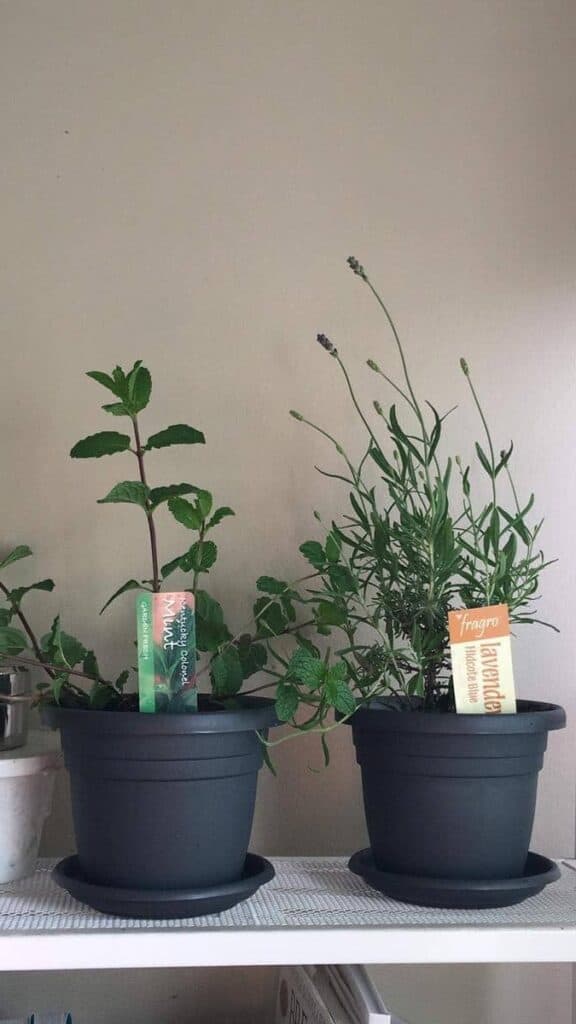
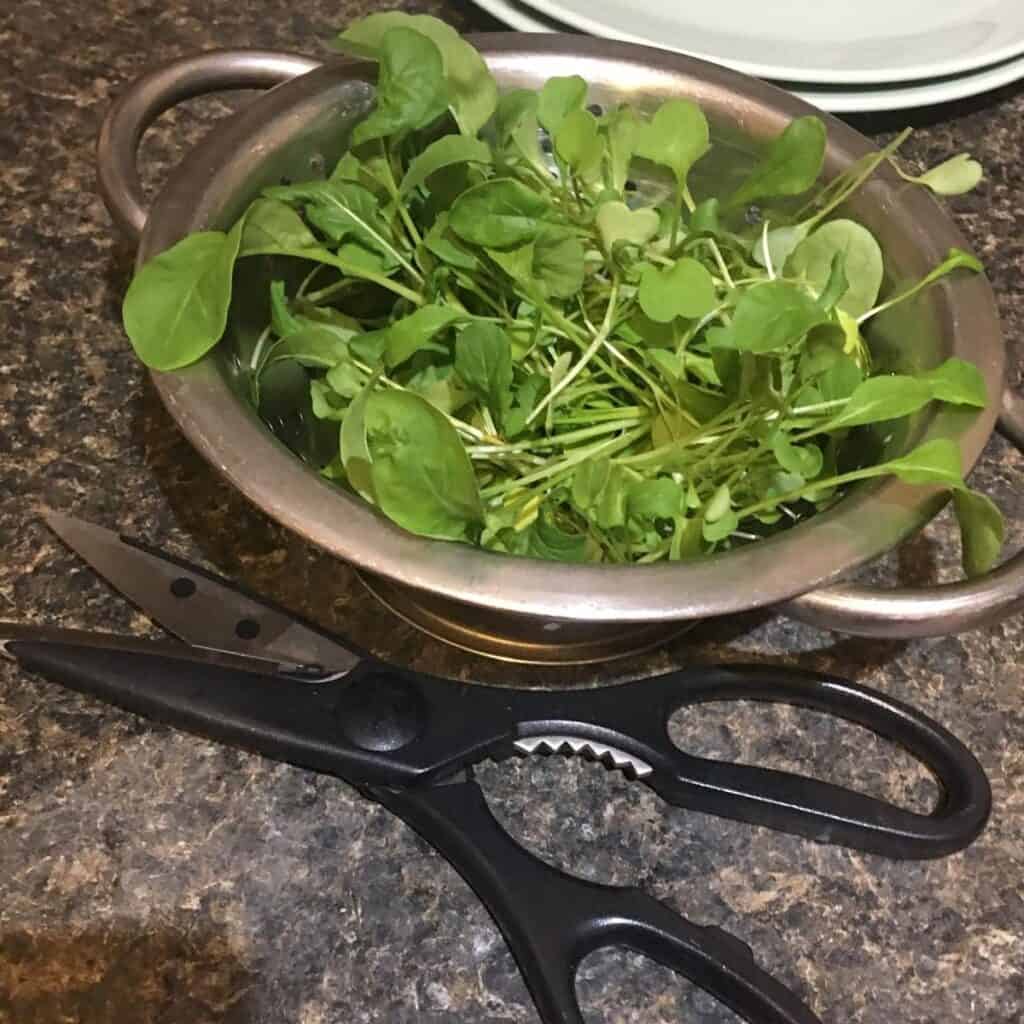
A few pots of herbs can teach you so much about light, watering, and plant care. Plus, they’re useful in your cooking or for remedies.
- Start with easy herbs like basil, mint, or chives
- Use a sunny windowsill or clip-on grow light
- Learn when to pinch, harvest, and re-pot
10. Make Simple Natural Remedies
From teas to infused oils, home remedies give you more control over your health — and a deeper connection to the plants around you.
- Try a basic herbal tea for sore throats or stress
- Infuse olive oil with calendula or lavender for skincare
- Focus on safe, plant-based ingredients only
Seasonal Skill-Building Ideas
While most of these skills can be learned year-round, here are a few seasonal suggestions to guide your focus:
- Spring: Grow herbs, learn plant ID, set up a compost bin
- Summer: Try canning, reduce energy use, shop seasonal farmers markets
- Fall: Make natural remedies, repair or mend clothes, preserve produce
- Winter: Organize your records, study how your home systems work, practice indoor skills
Skill-Building Tips to Take Action Now
The biggest lesson I’ve learned over the years is that consistency matters more than perfection. You don’t need a perfectly stocked pantry or a huge garden — just a willingness to start with what you have.
Here’s how to build momentum this week:
- Pick one skill to practice for the next 7 days.
I usually recommend starting with the one you’re most excited about. I began with composting in my small kitchen, and it completely changed how I thought about food waste. - Start a simple notebook or digital tracker.
Record what you’re trying, what worked, and what didn’t. I track things like which herbs thrive on my windowsill, how long a mended patch holds, or what I’ve preserved that I’d actually eat again. - Invest in one tool that will support your learning.
A good canning funnel, a small grow light, or a beginner sewing kit might be the thing that helps you take that next step.
These are the exact kinds of habits I practice while living in a small apartment in Vancouver. I didn’t have land, had a balcony, a tiny kitchen, and a deep desire to live more self-sufficiently. You can absolutely do this, too.
Frequently Asked Questions
Can I really start homesteading without land?
Yes — homesteading is more about how you live than where. I’ve lived in urban apartments for years and still learned canning, composting, mending, and growing food in containers.
What’s the easiest homesteading skill to learn first?
Start with the one that feels doable and useful. I recommend record keeping, herb gardening, or composting — they’re low-cost, easy to start, and build your confidence fast.
How much space do I need to practice these skills?
Very little space is needed to practice homesteading skills. A windowsill, a shelf, or even just a notebook can go a long way.
What to Do Next
Whether you’re prepping for fall, building independence slowly, or simply want to do more with what you have — these skills are a game-changer.
Pick one skill from this list and start small this week. Try a new recipe with local produce. Sew up that hole in your favourite sweater. Get curious about what’s growing around your block.
These steps might feel simple, but they matter. You’re not “preparing to start someday” — you’re already doing it.
👉 Want help choosing your first step? Browse more practical, beginner-friendly posts:
